
Winning big: tips from seasoned casino players
The Illusion of Luck in Gambling
Luck is frequently romanticized in the realm of gambling, leading many to believe that winning is purely a matter of chance. This notion is exacerbated by tales of individuals who strike it rich at the tables or hit the jackpot, creating an enticing allure around the australia online casino experience. However, these winning moments are often outliers, overshadowed by the multitude of players who leave the premises with empty pockets. The reality is that while luck may play a role, it is neither the only nor the primary factor determining gambling outcomes.
The inherently random nature of casino games leads many players to attribute their wins or losses to the whims of fortune. Players often cling to narratives of luck, reinforcing their beliefs through superstitions or rituals, such as wearing lucky charms or following specific betting sequences. Yet, most casino games are deeply rooted in mathematics and probabilities, with odds that consistently favor the house over time. By understanding the underlying mathematics of each game, players can debunk the myth of luck, recognizing that informed choices and strategic thinking often yield more favorable outcomes than sheer chance.
Furthermore, the psychological impact of believing in luck can skew a player’s perception of reality. Many gamblers develop a false sense of control over their outcomes by engaging in superstitious behaviors and rituals. While these habits may provide temporary comfort, they ultimately detract from the importance of employing strategies based on critical analysis and understanding of the games. In the long run, those who prioritize knowledge over luck are more likely to navigate the casino landscape successfully.
Understanding House Edge and Player Strategies
The house edge is a fundamental concept that every gambler should understand, as it illustrates how casinos maintain profitability. This mathematical advantage varies across different games, ensuring that casinos ultimately profit from players’ bets over time. For instance, in games like blackjack and roulette, the house edge is designed to tilt the odds in favor of the casino, which means that players will lose more often than they win. This understanding is crucial for players who wish to make strategic choices that can mitigate losses and enhance their chances of winning.
In addition to grasping the concept of house edge, players can employ various strategies to elevate their gaming experience. For example, mastering basic strategy in blackjack can significantly reduce the house edge, enabling players to make smarter decisions during gameplay. In skill-based games like poker, a player’s expertise, ability to read opponents, and decision-making prowess can outweigh the role of luck, underscoring the importance of strategy in the gambling arena.
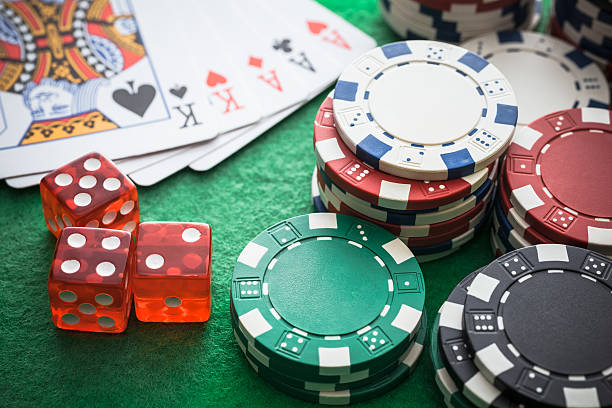
Moreover, responsible gambling practices are essential for fostering a healthy approach to gaming. Setting personal budgets, opting for games with favorable odds, and knowing when to take a break are all vital strategies that players can implement. By adopting these practices, players can enjoy their time at casinos without falling into the trap of relying solely on luck, ultimately leading to a more sustainable and satisfying gambling experience.
The Role of Psychology in Gambling Behavior
The psychology of gambling significantly influences how players perceive luck and their outcomes. Cognitive biases, such as the gambler’s fallacy, can lead individuals to mistakenly believe that past results have a bearing on future outcomes in games of chance. For instance, a player might assume that a number that hasn’t appeared in a while is “due” for a win, leading to misguided confidence and potentially poor decision-making. This fallacy can create a cycle of chasing losses, where players continue to gamble in hopes of reversing their fortunes.
Moreover, emotions can have a profound impact on gambling behavior. High-stakes environments, filled with excitement and tension, can spur players to make impulsive decisions based on fleeting feelings of euphoria or disappointment. Such emotional volatility can further perpetuate the myth of luck, as players may convince themselves that winning is just around the corner, instead of recognizing the underlying mechanics and odds governing their games. This can lead to a disconnect between expectation and reality, ultimately resulting in frustration and losses.
Understanding the psychological factors at play can empower players to refine their gambling habits and enhance their overall experience. By practicing self-awareness and mindfulness regarding emotional triggers, individuals can better manage their expectations and curb impulsive behaviors that stem from a belief in luck. This approach ultimately fosters a healthier relationship with gambling, promoting enjoyment and responsible play.
Popular Gambling Myths Dispelled
Numerous myths circulate in the gambling world, perpetuating misconceptions that can mislead players. A prevalent myth is the notion that certain slot machines are “hot” or “cold,” suggesting that players can identify patterns to exploit. In reality, these machines operate using random number generators, making each spin independent of previous results. Thus, the idea that players can predict outcomes based on prior performance is fundamentally flawed. Recognizing that every spin is random can help players approach slots with a clearer mindset, reducing the influence of superstition.
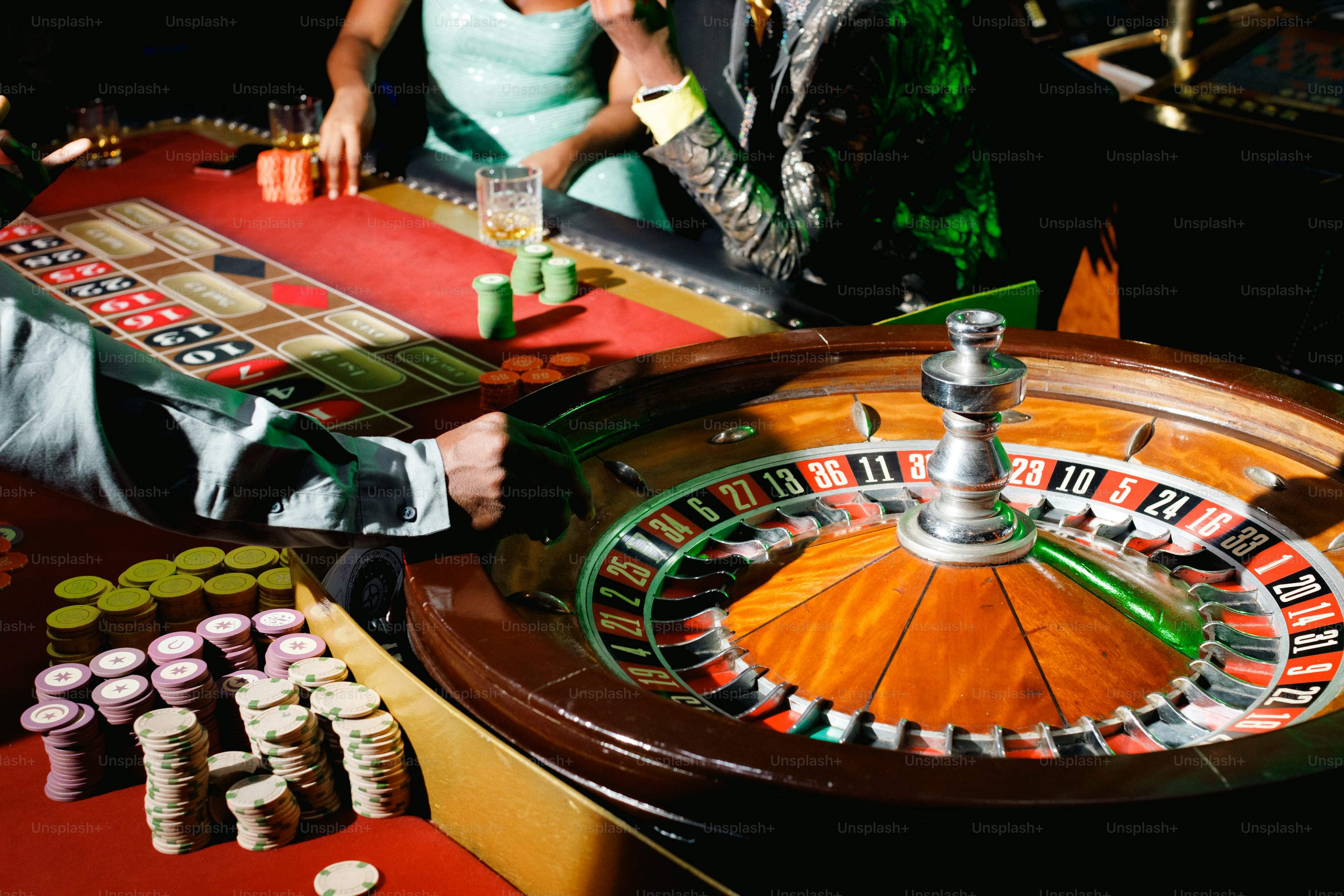
Another common myth is the belief that players can influence the outcome of games through techniques like card counting or specific betting strategies. While these methods can offer a tactical advantage in certain situations, they do not guarantee success across all gaming scenarios. Many games incorporate safeguards designed to prevent excessive winning streaks, focusing instead on the statistical probabilities that favor the house. Understanding these limitations is essential for players to avoid misconceptions that can lead to financial loss.
Dispelling these myths is vital for cultivating informed gambling practices. Players equipped with accurate information can make better choices, avoid the pitfalls of common fallacies, and ultimately enjoy a more entertaining and less stressful gambling experience. Knowledge is a powerful tool in the world of gambling, outweighing the unpredictable whims of luck. By fostering a mindset grounded in reality, individuals can enhance their overall enjoyment of the gaming experience.
Where to Find Reliable Information and Resources
As players navigate the captivating yet complex landscape of casinos, finding trustworthy resources is crucial. Numerous platforms provide educational content covering various games, strategies, and mathematical odds. These resources can demystify gambling, offering insights that enable players to make informed decisions, which can significantly enhance their overall experience. Engaging with credible websites and forums can also provide players with community support and shared knowledge.
Additionally, many casinos offer access to educational materials for their patrons. Establishments often provide tutorials or workshops designed to teach players how to understand the rules of specific games and their odds. By taking advantage of these opportunities, players can approach gambling with a sense of knowledge and confidence, reducing reliance on luck alone. Such initiatives can bridge the gap between novice and experienced players, fostering a more informed gambling community.
In conclusion, while luck undeniably plays a role in gambling, informed decision-making grounded in an understanding of probabilities and strategies proves far more effective. Embracing a balanced approach to gambling can lead to enjoyable experiences and sustainable practices, allowing players to appreciate the thrill of the game while avoiding the common myths surrounding luck. Engaging with reliable resources and learning opportunities empowers players to navigate the casino environment with greater awareness and confidence, enhancing their overall enjoyment and success in gaming.